

Safeguard Your Chelsea, MI Home with Proper Water Damage Cleanup
Assess the Damage: Water Damage Levels and Mold Risk Factors
Understanding the severity of water damage is the first step toward preventing black mold growth. Water damage falls into three categories: clean water from broken pipes or supply lines, gray water from appliances or toilets, and black water from sewage or flooding. Each type requires different safety precautions and cleanup approaches. Start by identifying the source and turning off the water supply if it is still active.
In Chelsea, MI, basements and crawl spaces are especially vulnerable to moisture accumulation due to Michigan’s humid summers and seasonal groundwater fluctuations. Check beneath sinks, around water heaters, behind appliances, and along exterior walls for signs of hidden moisture. Use a flashlight to inspect dark corners, and look for discoloration, warping, or soft spots in drywall and flooring. These are early indicators that moisture has penetrated building materials.
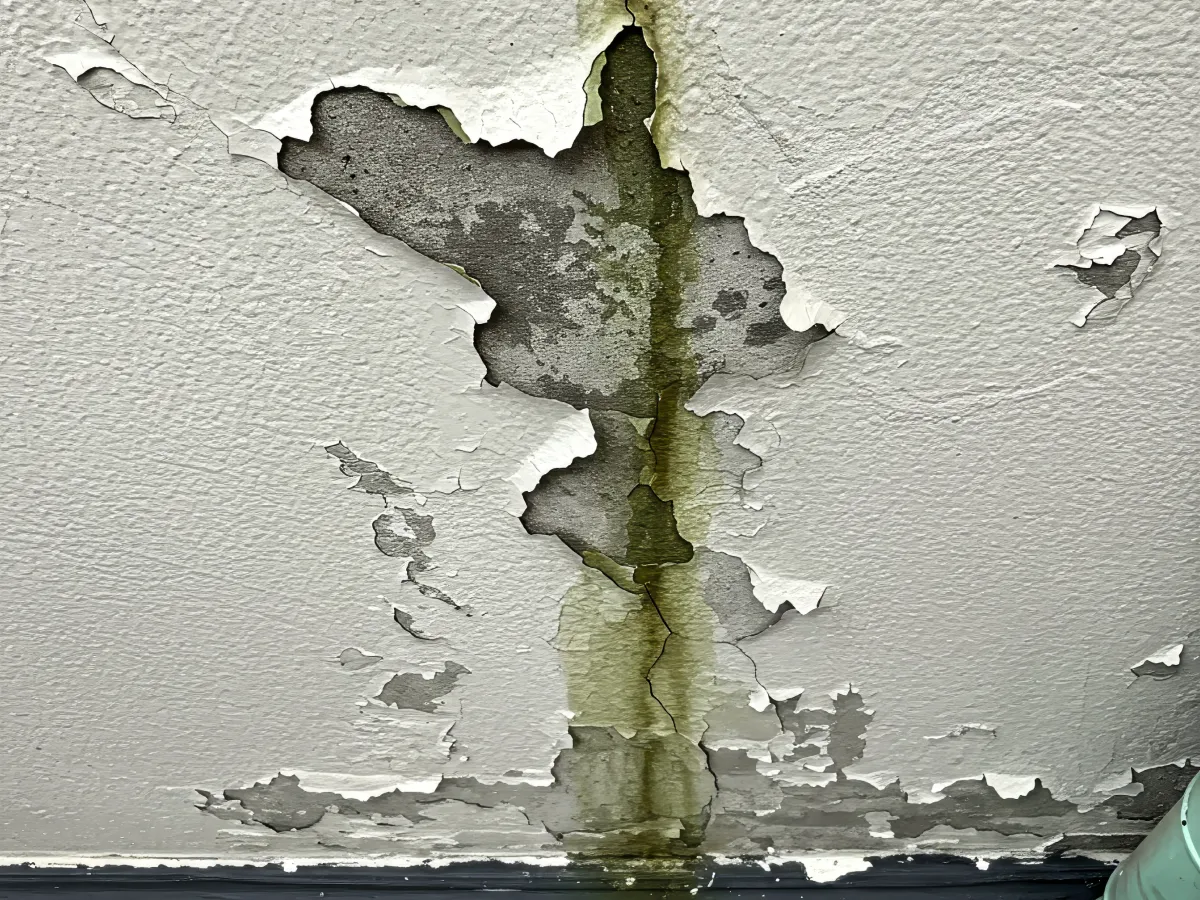
Mold can begin growing within 24 to 48 hours in damp conditions, so timing is critical. If you detect a musty odor, see visible staining, or notice peeling paint, moisture is likely present even if standing water is gone. Document affected areas with photos and notes for insurance purposes and to track the scope of damage. If water has soaked insulation, drywall, or carpeting, these materials may need removal to prevent mold colonization.
Start the Cleanup: Water Removal and Initial Drying Steps
The first 24 to 48 hours after water damage occurs are the most important for preventing mold. Begin by removing standing water as quickly as possible using a wet vacuum, mop, or pump if the volume is significant. If electrical outlets or appliances are submerged, turn off the power at the breaker box before entering the area. Safety must come first in any cleanup effort.
Once standing water is removed, focus on drying out the affected space. Open windows and doors to increase ventilation, and use fans to circulate air throughout the room. Position fans to blow air across wet surfaces and toward open windows or doors. Dehumidifiers are highly effective at pulling moisture from the air and should run continuously until humidity levels drop below 50 percent. In Michigan’s humid climate, especially during late spring and summer, drying can take longer than in drier regions, so monitor conditions closely.
Remove wet materials that cannot be dried within 48 hours, such as soaked carpeting, padding, and insulation. Porous materials hold moisture and create ideal conditions for mold growth. Pull back furniture and rugs from wet areas, and elevate items off the floor using blocks or foil. Check beneath flooring and behind baseboards for trapped water. If water has penetrated wall cavities or subfloors, professional extraction and drying equipment may be necessary to reach hidden moisture and prevent long-term structural damage.
Prevent Mold Growth: Effective Prevention and Safe Cleanup Methods
Preventing mold growth requires both removing moisture and treating surfaces that were exposed to water. For small areas of visible mold on hard, non-porous surfaces such as tile, glass, or metal, you can use a diluted bleach solution (one cup of bleach per gallon of water) or an EPA-registered antimicrobial cleaner. Wear gloves, eye protection, and an N95 mask during cleaning, and ensure the area is well ventilated. Never mix bleach with other cleaning products, as this can create dangerous fumes.
Scrub affected surfaces thoroughly and allow them to dry completely. However, mold that has penetrated porous materials like drywall, insulation, or wood cannot be fully cleaned and must be removed and replaced. If mold covers more than ten square feet, or if it is present in your HVAC system, ductwork, or behind walls, stop and contact a professional restoration service. Disturbing large mold colonies without containment can release spores throughout your home and worsen contamination.
Chelsea, MI homes, particularly older properties with basements, often experience mold growth due to groundwater seepage and high indoor humidity. Installing a dehumidifier, sealing foundation cracks, and improving drainage around your home are long-term strategies to reduce mold risk. Regularly inspect areas prone to moisture, such as bathrooms, laundry rooms, and basements. Addressing water intrusion quickly and maintaining low indoor humidity levels are the most effective ways to stop mold before it starts.
Know When to Call Professionals: Water Damage Restoration Services
Certain water damage situations require professional intervention to protect your health and property. If water damage is widespread, affects structural elements, or involves contaminated water from sewage or flooding, a professional water damage restoration team has the training, equipment, and experience to handle it safely. Contaminated water carries bacteria, viruses, and other pathogens that pose serious health risks, and cleanup must follow strict safety protocols.
Professional restoration teams begin with a thorough assessment using moisture meters, thermal imaging cameras, and other diagnostic tools to locate hidden water in walls, ceilings, and subfloors. They then use industrial-grade extractors, air movers, and dehumidifiers to remove water and dry affected areas completely. Advanced drying techniques prevent secondary damage and reduce the risk of mold growth. If mold is already present, professionals perform containment, removal, and air filtration to eliminate spores and prevent cross-contamination.
Structural damage to drywall, flooring, framing, or insulation also requires professional evaluation and repair. Water can weaken building materials, compromise structural integrity, and create hidden pockets of moisture that lead to ongoing problems. If your HVAC system was exposed to water, it may need cleaning or replacement to prevent mold spores from circulating throughout your home. Emergency response services are available to stabilize your property quickly and begin mitigation, reducing the overall cost and scope of repairs. Calling professionals early can prevent costly long-term damage and ensure your home is safe and dry.
Recover and Protect: Restoration Follow-Up and Prevention Steps
Certain water damage situations require professional intervention to protect your health and property. If water damage is widespread, affects structural elements, or involves contaminated water from sewage or flooding, a professional water damage restoration company should be contacted immediately. Large-scale water intrusion can saturate drywall, insulation, and subflooring in ways that are impossible to dry thoroughly with household equipment alone. When moisture remains trapped inside walls or beneath flooring, mold colonies can develop within 48 to 72 hours, creating health hazards and structural deterioration.
Professional restoration services use industrial-grade extraction equipment, high-capacity dehumidifiers, and thermal imaging cameras to detect hidden moisture that homeowners cannot see. They can also assess whether HVAC systems have been compromised, which is critical because mold spores can spread throughout your home via ductwork. In Chelsea, MI, older homes with crawl spaces or basements built before modern waterproofing standards are particularly vulnerable to hidden moisture intrusion during heavy spring rains or snowmelt. Professionals can identify and address these risks before they escalate into costly repairs or health concerns.
Additionally, a restoration company can document the full extent of damage for insurance claims, provide antimicrobial treatments to prevent mold colonization, and coordinate repairs to structural elements such as subflooring, drywall, and trim. If you are uncertain whether your situation requires professional help, contact a local emergency response team for an assessment. Acting quickly minimizes damage and reduces the risk of long-term mold problems.